Decking repairs in Woolwich
If your deck is starting to feel uneven, look worn, or show signs of rot, you do not always need a full replacement. Decking repairs in Woolwich can restore safety, improve appearance, and extend the life of your outdoor space without the disruption of rebuilding everything from scratch. For homeowners, landlords, property managers, and local businesses, timely repairs can make a big difference to how a deck looks and performs through the changing seasons.
Woolwich properties are varied, and that is part of what makes local decking work so practical. You will find garden decks behind terraces, raised seating areas for townhouses, rooftop or balcony decking on modern developments, and timber surfaces at commercial premises that need to stay neat and safe for visitors. Each type of deck faces different pressures, from damp conditions and shade to heavy foot traffic and movement in the structure. A local repair service understands those realities and can recommend the right fix for the job.
Whether the issue is a loose board, split rail, soft timber, wobbly steps, or faded decking that has lost its protective finish, it helps to act early. Small faults can spread quickly, especially when moisture gets into the timber or fasteners have begun to fail. If you want practical help from a team that knows the area, request a free quote and take the first step toward making your outdoor space usable again.
Why decking repairs matter for Woolwich homes and businesses

Decking is often one of the most used parts of a property when the weather is better, which means it takes more wear than many people expect. In Woolwich, where gardens may be compact, elevated, or shared, decking often becomes a main outdoor living area rather than a small decorative feature. That makes repairs important not just for appearance, but for comfort and safety too. A deck that feels firm underfoot is far more inviting than one that creaks, shifts, or shows visible damage.
For residential customers, repairs can help preserve an outdoor space that is used for family meals, socialising, children’s play, or simply enjoying a quiet moment outside. For commercial customers such as cafés, pubs, office buildings, and hospitality venues, the condition of decking can influence how people experience the space immediately. A worn or unstable surface can create a poor impression, while a tidy repaired deck helps the property look cared for and accessible.
Timely decking repair also makes sense from a maintenance point of view. When a board or support begins to fail, it can place extra strain on surrounding sections. That may lead to more extensive damage later, especially in areas exposed to rain, frost, and regular use. Early intervention usually means simpler repairs, less material replacement, and a more cost-effective result overall.
Common decking problems we repair
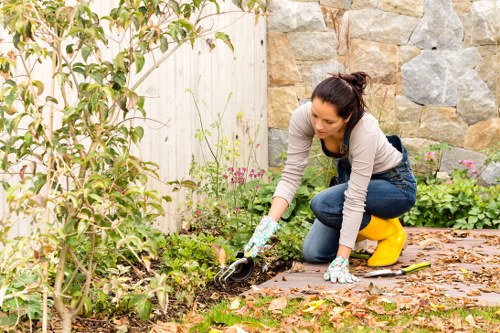
Different decks fail in different ways, but some issues are especially common in Woolwich. Timber decking can suffer from moisture retention, particularly in shaded gardens or where airflow is limited. Composite decks can still develop problems too, including loose fixings, damaged edging, staining, or movement in the subframe. A proper inspection helps identify whether the issue is cosmetic, structural, or both.
Here are some of the decking repairs customers most often ask about:
- Loose, cracked, warped, or split boards
- Soft or rotten timber sections
- Wobbly balustrades, handrails, or posts
- Unsafe steps or broken stair treads
- Raised fixings, rusted screws, or exposed nails
- Sagging areas caused by subframe movement
- Slippery surfaces from algae, moss, or worn coatings
- Faded, stained, or peeling stain and sealant
- Damaged fascia boards or edging trims
- Gaps widening between boards due to age or weathering
Some customers notice a problem because of a sound, such as creaking or hollow movement underfoot. Others spot a visual change, like dark patches, green growth, or a board lifting at one end. If you are unsure what the issue means, it is always worth asking for an assessment. Decking repairs in Woolwich are often more straightforward when the damage is dealt with before it spreads into the frame beneath the surface.
What our decking repair service can include

A good repair service should be tailored to the deck’s condition rather than applied in a one-size-fits-all way. Some projects only need a few replacement boards and new fixings, while others involve restoring the safety and stability of the whole structure. The aim is to repair what is necessary, preserve what can be saved, and make sure the finished result suits the property.
Depending on the deck and the damage found, the service may include:
- Inspecting the deck surface, subframe, steps, and support points
- Replacing damaged or rotten decking boards
- Re-securing loose boards and tightening fixings
- Repairing or replacing damaged joists, bearers, or framing
- Stabilising handrails, balustrades, and posts
- Fixing broken steps, nosings, or access points
- Improving drainage or airflow where practical
- Cleaning, sanding, and preparing surfaces
- Applying protective treatment, stain, or sealant where appropriate
- Checking for further weak points so future problems can be reduced
Some decks can be made safe with targeted repairs and a refreshed finish, while others need more extensive restoration to address hidden weaknesses. A professional approach means you get honest advice about what is worth repairing and what needs deeper work. That is especially useful for busy property owners who want a practical solution and not unnecessary disruption.
Decking repair challenges specific to Woolwich properties

Woolwich has a mix of older homes, newer developments, riverside properties, and commercial premises, and that variety affects how decking ages. Homes close to the river or in exposed positions may see more moisture, wind, and temperature swings. Gardens with limited sunlight can hold damp for longer, encouraging rot and slippery growth. New-build and contemporary properties may feature composite systems, hidden fixings, or elevated platforms that need careful handling during repairs.
Access is another important factor. In parts of Woolwich, space around the property can be tight, parking can be limited, and entry to rear gardens may involve side passageways, shared access, or communal areas. That matters because repair work often requires timber lengths, tools, fixings, and waste to be moved efficiently and safely. A local company familiar with the area is better prepared for those practical issues and can plan the job accordingly.
There is also the question of how the deck is used. A domestic deck behind a family garden in Woolwich may need quiet, tidy work that avoids disrupting neighbours. A commercial deck, meanwhile, may need repairs timed to reduce downtime and maintain customer access. In both cases, a local team can work with the realities of the property rather than treating every job the same.
Signs it may be time to arrange repairs
Not every decking issue is obvious at first glance. Some damage only becomes clear when you step on a board and feel movement, or when you notice the timber looks different after rain. If your deck has been in place for several years, it is sensible to check for early warning signs before a minor issue becomes a safety concern. Spotting problems early can reduce the amount of work needed and help you plan repairs at a time that suits you.
Watch out for signs such as visible rot, loose edges, soft timber, rusting fixings, or steps that feel unstable. You might also notice that water is sitting on the surface for too long, the finish is wearing away, or the deck has developed uneven sections. When the surface starts to feel slippery, especially after rain, it is important to take it seriously. Safety matters just as much as appearance.
If you are preparing to sell, let, or reopen a property, it can also make sense to arrange an inspection before people begin using the deck heavily again. A quick repair job now can prevent inconvenience later. If you are unsure whether damage is cosmetic or structural, contact us today to discuss the condition of your deck and arrange the next step.
How the decking repair process usually works

People often want to know what happens after they ask for help. A straightforward repair process should be clear and manageable from start to finish. The goal is to make things easy for you while ensuring the work is carried out safely and properly. For many customers in Woolwich, the biggest advantage of using a local service is that the job can be assessed in context, with attention to access, layout, materials, and the way the deck is used.
In most cases, the process follows these steps:
- Initial discussion about the issue and the type of deck
- Site visit or inspection to assess visible and hidden damage
- Clear explanation of what needs repairing and why
- Preparation of the work area and safe removal of damaged sections
- Structural or surface repairs, depending on the findings
- Replacement of fixings, boards, railings, or support timber as needed
- Finishing work such as sanding, cleaning, or protective treatment
- Final check to ensure the repaired area is secure and tidy
This process can vary depending on whether the deck is timber or composite, at ground level or raised, and whether the issue is isolated or spread across multiple sections. The key point is that repairs should be based on the actual condition of the structure, not guesswork. A careful inspection saves time and helps ensure the deck is fit for continued use.
Timber decking repairs and composite decking repairs
Not all decking materials behave in the same way. Timber decking is popular because it has a natural look and can suit many styles of garden or terrace. However, it may require more maintenance over time, including protective treatment and replacement of weathered boards. If timber has started to rot, crack, or move, repairs can often restore the surface and delay the need for a bigger replacement project.
Composite decking is designed to be low maintenance, but that does not mean it is problem-free. Boards can still be damaged by impact, fixings may loosen, subframes can shift, and staining or surface wear can affect the look. Repairs need to be carried out with the right materials and methods so the finish remains neat and secure. Mixing incompatible fixings or patching in the wrong way can lead to more issues later.
Whether your deck is timber or composite, a local specialist can advise on the most practical route. Sometimes a partial repair is all that is needed; in other cases, a section may need to be rebuilt to maintain a consistent and reliable result. Decking repairs in Woolwich should always aim to preserve the value of the space and make it safe for everyday use.
When repair is better than replacement
Many customers are relieved to find that full replacement is not always necessary. If the subframe is largely sound and the problem is limited to surface boards, steps, or fixings, repair can be a sensible option. It reduces waste, cuts disruption, and usually gets the deck back into use faster. It can also be a better choice where the deck is integrated into a larger garden design or built around fixed features.
Repair is often the right answer when:
- The damage is localised to one part of the deck
- The supporting structure is still stable
- The timber is weathered but not extensively rotten
- The finish has worn down but the boards remain serviceable
- The owner wants a practical solution without major building work
If the deck has widespread decay, repeated movement, or major structural failure, a more extensive rebuild may be the safer long-term choice. A proper assessment gives you the information needed to decide with confidence.
What affects the cost of decking repairs?
There is no single price that fits every decking repair, because each project depends on different conditions. Rather than guessing, it is more helpful to understand the factors that influence the work required. This makes it easier to compare options and plan a repair that suits the property and the budget available.
The main cost factors usually include:
- The size of the damaged area
- Whether the issue is surface-level or structural
- The material type, such as timber or composite
- How easy it is to access the deck
- Whether steps, handrails, or subframe sections need attention
- The amount of replacement material needed
- Whether cleaning, sanding, or protective treatment is included
- Waste removal and site tidying requirements
Access can have a real effect in Woolwich, especially where parking is limited or carrying materials through shared areas is required. A clear discussion before work starts helps avoid surprises and allows the job to be planned properly. If you are looking for an informed estimate, request a free quote and share as much detail as possible about the deck’s condition.
Why choose a local Woolwich decking repair company?
Choosing a local company is about more than convenience. It means working with people who understand the practical realities of the area, from building styles to access conditions and weather exposure. Woolwich includes a broad mix of property types, and that matters when repairing outdoor structures. A team that regularly works locally is more likely to recognise common issues quickly and recommend the right repair without unnecessary delay.
Local knowledge can also help with scheduling and preparation. If the property is near busy roads, in a courtyard, or part of a shared housing setup, the logistics may need a little extra planning. A team used to working in and around Woolwich, Thamesmead, Plumstead, North Woolwich, Charlton, and surrounding parts of southeast London is more likely to anticipate those factors and keep the job running smoothly.
There is also value in easier communication and a more personal service. When you need decking repair, you usually want a straightforward answer: What is damaged? What needs fixing? How long will it take? What is the best way to make it safe again? A local service should be able to answer those questions clearly and help you make a practical decision without pressure.
Suitable for residential and commercial properties
Decking repairs are not only for private gardens. In Woolwich, businesses and landlords also benefit from maintaining safe, attractive outdoor surfaces. A repaired deck can improve usability for customers, tenants, and visitors while helping property owners keep on top of routine maintenance. This is especially important where decks are part of hospitality spaces, communal courtyards, letting properties, or entrance areas.
Residential customers often ask for repairs to improve family safety, make the garden look better, or prepare for summer use. Commercial customers may want work completed with minimal disruption and a tidy finish that reflects well on their property. In both cases, a repair service should be adaptable enough to handle the space properly and efficient enough to avoid unnecessary inconvenience.
Preparation checklist before the repair visit
A little preparation can make the visit more efficient and help the work get done with fewer delays. You do not need to do anything complicated, but clearing access and making sure the area is ready can save time on the day. If the deck is part of a shared space or close to neighbours, it may also be sensible to let others know that work will be taking place.
Before the appointment, it helps to:
- Remove furniture, planters, and movable accessories from the deck
- Clear access routes for tools and materials
- Keep pets and children away from the work area
- Point out any known problem spots or recent changes
- Share details about the deck material if you know it
- Check whether there are access restrictions, parking limitations, or gate codes for the property
If the deck is in a communal or commercial setting, arrange access in advance so the work can begin without interruption. The more the team knows ahead of time, the easier it is to plan the repair properly and avoid delays once on site.
What good workmanship looks like in decking repairs
When a decking repair is done properly, the results should feel stable, look tidy, and blend naturally with the rest of the deck. Good workmanship does not just mean replacing the damaged piece. It means checking the surrounding structure, making sure fixings are secure, and finishing the work in a way that supports long-term use. The repaired area should not feel like a temporary patch.
Look for careful alignment, secure fixings, clean cuts, and attention to the overall appearance of the deck. Where boards are replaced, the new sections should be fitted neatly and sensitively. Where surfaces are treated, the finish should be appropriate for the material and the conditions the deck faces. For a raised deck, special attention should be given to safety features like handrails, steps, and edge protection.
Safety, durability, and appearance should all be considered together. A deck that only looks better but still moves underfoot is not a proper repair. Likewise, a structurally sound deck that has been left untidy may not feel like a finished job. The aim is to restore the space so it works properly and looks cared for.
Areas covered around Woolwich
Local customers often want to know whether their property area can be covered. Decking work is commonly carried out across Woolwich and surrounding parts of southeast London, including nearby residential streets, newer developments, and mixed-use areas. This can also include neighbouring locations where local access and property types are similar.
Typical areas and nearby districts may include:
- Woolwich town centre
- Woolwich Dockyard area
- Plumstead
- Charlton
- Thamesmead
- North Woolwich
- Abbey Wood
- Greenwich and nearby southeast London locations
If you are in or around these areas, a local decking repair team can usually assess the site and advise on the best way to proceed. If your property has a difficult access layout or sits within a managed block, that can still be handled with the right preparation.
Frequently asked questions
Can you repair just part of a deck?
Yes. In many cases, partial repair is the best option. If only certain boards, steps, or support points are damaged, those areas can often be repaired or replaced without disturbing the whole deck. A site inspection will show whether the structure is suitable for partial repair.
How do I know if the deck is unsafe?
Warning signs include movement underfoot, soft timber, loose rails, rotten sections, and broken steps. If you are unsure, do not keep testing it heavily. It is better to arrange an inspection and get a clear view of what needs to be done.
Do timber decks and composite decks need different repairs?
They do. Timber and composite materials behave differently, so the repair method should match the deck type. A professional will use suitable fixings, replacement materials, and finishing methods to ensure the result is sound and neat.
Can repairs improve how the deck looks as well as how it works?
Absolutely. Replacing damaged boards, cleaning surfaces, tightening loose parts, and applying a protective finish can all improve appearance. Many customers choose repair because it restores both the look and the usability of the space.
How long do decking repairs take?
That depends on the extent of the damage, the deck’s size, and the ease of access. Small jobs may be completed relatively quickly, while larger or structural repairs can take longer. An inspection provides the best basis for a realistic time estimate.
Is it worth repairing old decking?
Often, yes. If the frame is still in decent condition and the issue is mainly with the boards, fixings, or finish, repair can be worthwhile. If there is widespread structural decay, replacement may be more sensible. The right choice depends on the actual condition of the deck.
Book decking repairs in Woolwich with confidence
If your deck is looking tired, feels unstable, or has developed visible damage, now is a good time to take action. A prompt repair can improve safety, protect the structure, and help you enjoy the space again without the stress of a major rebuild. Whether it is a family garden, a rooftop terrace, a communal outdoor area, or a commercial seating space, the right repair work can make a real difference.
Contact us today to discuss your decking issue, ask about the best repair options, and arrange a visit. If you already know the problem is urgent, book your service now so the work can be planned and completed as soon as possible. For practical, local help with decking repairs in Woolwich, a well-managed repair is often the simplest way to restore a safe and attractive outdoor area.

